

Seborrheic dermatitis of the scalp: how to recognize it and relieve it
In everyday life, seborrheic dermatitis can be troublesome, especially when it affects the scalp. Red patches, greasy scales, itching… We give you all the keys to effectively relieve it.

Recognize the symptoms

Understand the causes

Identify the triggers

Discover suitable treatment options

Adopt the right daily habits
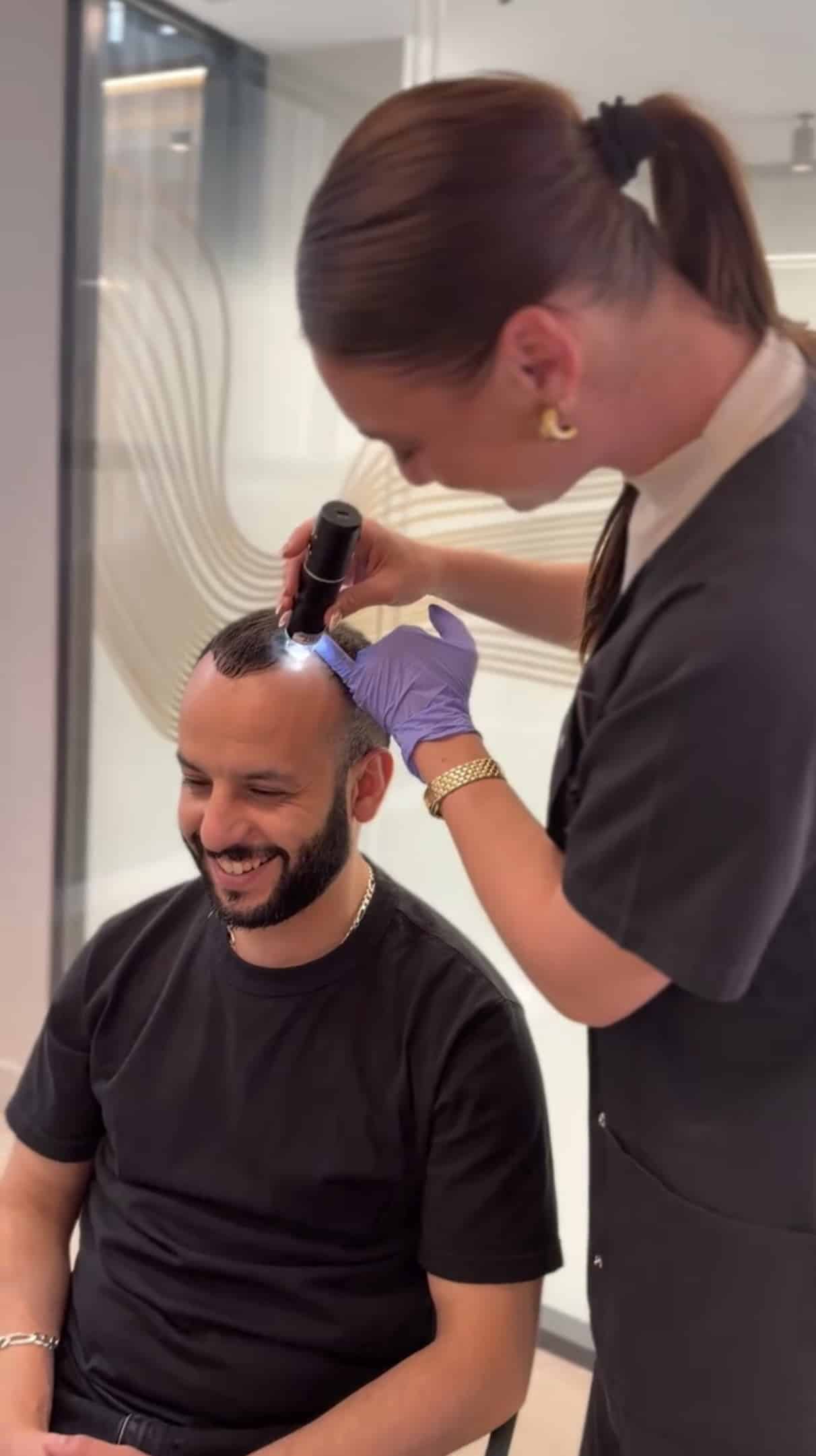
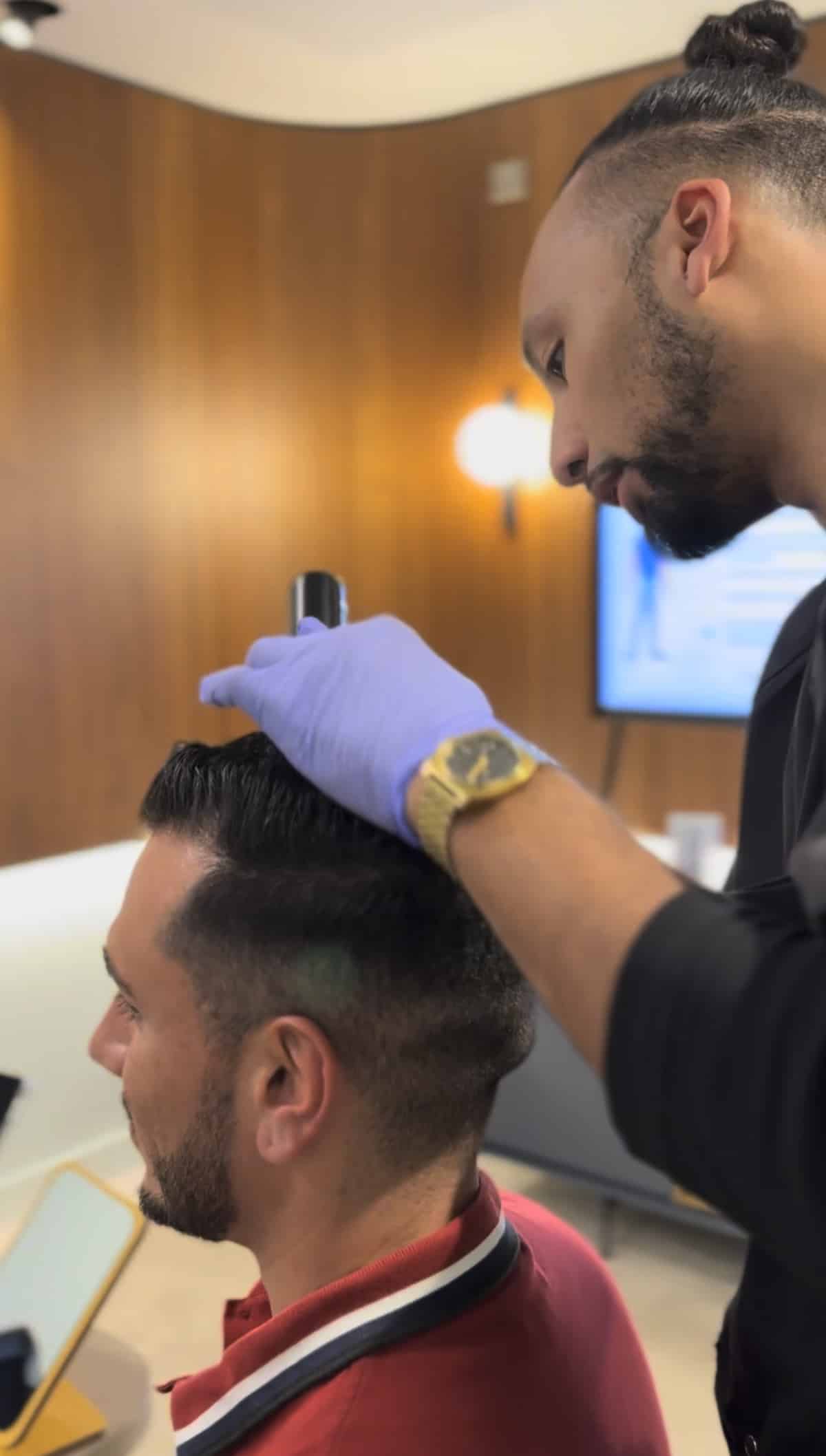
Seborrheic dermatitis of the scalp: what is it?
It is a chronic inflammatory skin condition, similar to eczema, that affects both women and men. It is neither serious nor contagious, but it can be bothersome on a daily basis. It most often develops in flare-ups and can therefore have periods of remission.
How to recognize it: typical symptoms and affected areas
Seborrheic dermatitis appears as yellowish, greasy dandruff and is generally accompanied by a feeling of irritation in the affected areas. In some cases, seborrheic dermatitis can lead to hair loss as a result of intense scratching or hair fragility.
Causes and mechanisms: sebum, Malassezia and inflammation
Contrary to popular belief, the development of seborrheic dermatitis is not linked to poor hygiene. It is the result of several factors that alter the quality of the skin and cause irritation, such as excessive sebum production. This can then promote the overgrowth of the yeast naturally found on the skin, known as Malassezia. This can trigger inflammation of the scalp, leading to seborrheic dermatitis.
Triggers and factors that worsen flare-ups
Depending on the individual, stress, fatigue, cold weather and hormonal changes are generally factors involved in this type of scalp irritation. On a daily basis, certain habits can also contribute to it, such as excessive scratching, aggressive styling or the use of irritating hair products. Combined, these factors can compromise the proper functioning of the hair follicles, where hair grows.
Diagnosis: when self-diagnosis is not enough
If you have doubts following the appearance of clear symptoms, it is important to consult a doctor or dermatologist rather than relying solely on self-diagnosis. Based on the appearance of the patches and scales, as well as the level of discomfort or pain, they will be able to provide an appropriate diagnosis and recommend suitable treatment to effectively reduce the symptoms.
How to treat seborrheic dermatitis of the scalp: effective options
There are many treatment products available that can significantly improve seborrheic dermatitis. As a reminder, seborrheic dermatitis is rarely cured permanently. However, appropriate treatments can help control it. Certain active ingredients are commonly used, including ketoconazole, ciclopirox, zinc pyrithione, selenium sulfide and piroctone olamine. In some cases, anti-inflammatory and antifungal treatments may be prescribed, depending on the severity of the condition.
At Racine Carrée, we also offer LED light therapy to help treat and reduce seborrheic dermatitis. For seborrheic dermatitis, we recommend a specific “dandruff” protocol adapted to these symptoms. Using specific wavelengths, LED light penetrates the scalp and stimulates blood circulation.
Practical routine: anti-flare-up protocol + maintenance
During a seborrheic dermatitis flare-up, which can last 2 to 4 weeks, it is essential to follow an appropriate routine. Two to three times a week, use a medicated shampoo containing ketoconazole or zinc pyrithione. Gently massage the scalp and leave the shampoo on for approximately 5 minutes to allow the active ingredients to work, then rinse with lukewarm water. Alternate this routine with a gentle shampoo suitable for your scalp.
Outside of flare-ups, it is recommended to use the medicated shampoo once a week as a preventive measure. The rest of the time, choose a shampoo suitable for sensitive scalps, use gentle movements and avoid scratching to protect the sensitive area.
Lifestyle and prevention tips to reduce recurrences
Dietary supplements, a balanced diet and a healthy lifestyle are all habits that can help prevent seborrheic dermatitis. In terms of skincare, moisturize your skin with gentle products that are suitable for sensitive skin. Stress and anxiety can also be aggravating factors, so do not hesitate to consult a healthcare professional to address them.
Special cases: when treatment may differ
In certain cases, the approach to seborrheic dermatitis may be different. Age, health status, pregnancy, immunosuppression and infancy can all affect the management of the condition, and treatments may vary accordingly. Medical care is particularly cautious in these situations, and prescribed treatments may need to be adapted. In immunocompromised individuals, for example, medical monitoring is generally closer, and treatments may be more intensive and longer. In infants, the condition is known as “cradle cap” and appears as thick, yellow scales without itching. In this case, applying a suitable oil and gently brushing the scalp can help clear the condition within a few weeks.
Safety considerations: what to avoid and when to seek medical advice
Better safe than sorry: it is advisable to avoid self-prescribing treatments. Certain seemingly harmless practices can cause more intense irritation, such as using essential oils, which can often be drying, or homemade mixtures that may weaken the scalp. Strong corticosteroids should also not be used without medical advice. Long-term use can cause adverse effects on the skin. Short-term use, combined with an antifungal shampoo, may be preferable when medically indicated to promote better healing.
Frequently Asked Questions:

Using a specific shampoo can effectively and sustainably treat the scalp.
Ketoconazole shampoos are among the most commonly prescribed, as they are particularly effective in cases of seborrheic dermatitis.
The better it is treated, the shorter it is likely to last!
When properly managed, seborrheic dermatitis can last several weeks. If treatment is inadequate, it may persist for several months.
Although they can look similar, these are two distinct skin conditions.
Psoriasis typically causes dry scales and thick, well-defined patches, whereas seborrheic dermatitis is characterized by greasy, more diffuse scales.
It can have a varying impact on hair quality.
Temporary hair shedding may occur during a flare-up.
Any other
questions?
Our advisors are here to provide you with information, offer personalized estimates, and arrange your hair assessment.